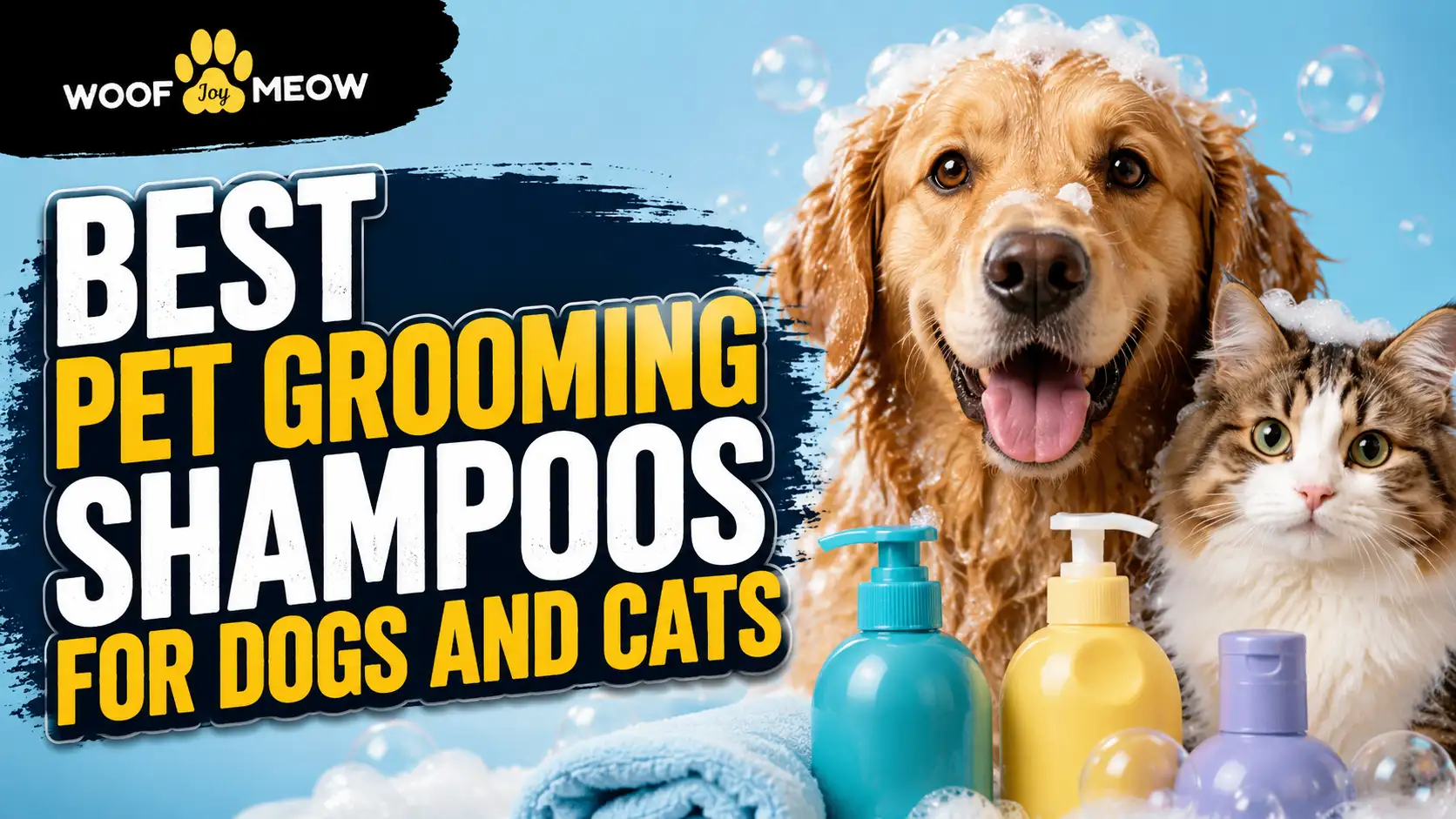
If your dog comes home smelling like a muddy adventure or your cat’s coat looks a little less lustrous than usual, bath time is calling. But grabbing any bottle off a shelf is not the answer. The pet grooming shampoo your dog or cat gets lathered with affects far more than just smell; it affects skin pH, coat health, allergen control, and even long-term dermatological wellness.
Choosing the right pet shampoo is one of the simplest and most impactful grooming decisions you can make for your furry family member.
In this guide, we break down everything you need to know: how to choose the right shampoo formula for your pet’s coat and skin type, which ingredients to look for (and which to avoid), and where to find professional-grade pet grooming products that go beyond what you find at a big-box retailer.
Whether you have a golden retriever with sensitive skin, a poodle with a thick double coat, or a pampered indoor cat, there is a right shampoo for all — and this guide will help you find it.
Why the Right Pet Shampoo Actually Matters
Human shampoos are formulated for a skin pH of around 5.5. Dogs have a skin pH closer to 7.0, which is significantly more neutral. Using human products on your pet disrupts their natural skin barrier, strips protective oils, and creates an environment where bacteria, yeast, and allergens thrive. This is not a minor inconvenience — it is a direct path to itching, flaking, odor, and skin infections that require veterinary attention.
Beyond pH, the ingredients in a pet grooming shampoo determine whether it soothes or aggravates.
A dog with sensitive skin needs a hypoallergenic, fragrance-free formula — not the same product you would use on a healthy-coated Labrador.
Similarly, a pet prone to fungal or yeast skin issues needs an antimicrobial formula designed to address those organisms specifically. An older pet with dry, brittle fur benefits from conditioning ingredients that restore moisture at the follicle level.
The bottom line: not all pet shampoos are created equal, and your choice matters every single bath time.
To help you choose the right product for your furry friend, the next section highlights key ingredients to look for when selecting shampoo for dogs and cats.
Key Ingredients to Look for in a Quality Pet Shampoo
When reading a product label, these are the ingredients and formulation features that signal quality:
Aloe vera — a classic, gentle skin soother that reduces inflammation, calms post-scratch irritation, and keeps the coat soft. Look for it in shampoos designed for sensitive or reactive skin types.
Oatmeal (colloidal) — one of the most clinically validated ingredients in dog grooming shampoo, colloidal oatmeal forms a protective barrier on the skin, locks in moisture, and significantly reduces itching. The Replenish Aloe and Oatmeal Shampoo for Dogs available on DVM Central is a strong example of this type of formula done right.
Plant-based surfactants — these are the cleansing agents. Plant-derived surfactants clean effectively without stripping the coat’s natural oils the way harsh synthetic detergents do. Look for labels that say “plant-based” or list ingredients like coco-glucoside or decyl glucoside.
Antimicrobial agents — for pets prone to yeast overgrowth or bacterial skin infections, shampoos with antimicrobial properties are not optional — they are therapeutic. CUTANIA MalaBath Shampoo, available on DVM Central, is specifically formulated to address malassezia and bacterial dermatitis, making it a go-to for dogs with recurring skin issues.
Honey — a natural antimicrobial and humectant. Honey-based shampoos are an underrated option for pets with sensitive or dry skin. The Vetramil Derma Shampoo with Honey on DVM Central uses this ingredient elegantly in a formula designed for gentle cleansing without irritation.
Essential oils (with caution) — some natural shampoos use essential oils for scent and mild pest-repellent properties. However, quality matters enormously here. Diluted, properly formulated blends — like those found in the ALZOO plant-based line on DVM Central — are safe. Undiluted essential oils applied directly to pets can be toxic, particularly to cats.
Understanding Your Pet’s Skin and Coat Type
Matching your shampoo to your pet’s specific needs is the foundation of good pet coat care.
Normal/healthy coat — most dogs and cats with no diagnosed skin conditions do well with a gentle, moisturizing all-purpose pet grooming shampoo. Plant-based formulas are a great default here.
Sensitive or allergy-prone skin — this is one of the most common issues pet owners face. Environmental allergens, food sensitivities, and contact dermatitis can all manifest as skin inflammation in pets. The CUTANIA AllerBath Shampoo and CUTANIA AllerSpray (a no-rinse option) from DVM Central are formulated specifically for allergic skin conditions, helping to reduce reaction severity at bath time.
Oily or odor-prone coats — some breeds (cocker spaniels, basset hounds, and certain terriers, for example) naturally produce more sebum and are prone to a musty coat odor between baths. Antimicrobial and degreasing formulas help manage this without over-drying.
Dry or flaky skin — dry skin in pets often presents as visible dandruff, a dull coat, or excessive scratching. Hydrating shampoos with oatmeal, aloe, or honey work best here. Pair a hydrating shampoo with a conditioning rinse for best results.
Puppies and kittens — young animals have especially delicate skin. Only use formulas explicitly labeled safe for young pets — like the Dr. Cuddles Pawfect Gloss Bubble Shampoo on DVM Central, designed with gentle ingredients that won’t overwhelm a young animal’s sensitive system.
No-Rinse Shampoos: A Game Changer for Cats and Post-Surgery Pets
Not every grooming session needs to involve a full bath. For cats (who famously despise water), elderly pets with mobility limitations, and animals recovering from surgery or illness, no-rinse pet shampoo sprays are a practical alternative that keeps coats clean between full baths.
CUTANIA MalaBath Spray and CUTANIA AllerSpray, both available through DVM Central’s grooming shampoo category, deliver the same therapeutic formulas as their rinse-off counterparts in a convenient spray format. You apply, work through the coat, and towel off without a drop of running water. For cat owners, especially, this is not a luxury — it is a sanity-saver.
Dry shampoos serve a similar purpose. The Dr. Cuddles Dry Shampoo on DVM Central freshens the coat between baths, absorbs excess oil, and leaves fur smelling clean — all without water.
Why Veterinary-Grade Grooming Products Outperform Store-Brand Options
The difference between a veterinary-grade pet grooming shampoo and a standard retail option comes down to formulation rigor. Products available through professional veterinary marketplaces are developed with input from veterinary dermatologists, tested for efficacy against specific conditions, and manufactured under quality standards that consumer brands often do not meet.
This is precisely why DVM Central — the professional veterinary marketplace at dvmcentral.com — is an excellent sourcing destination for pet owners who want more than the basics. DVM Central connects buyers directly with trusted veterinary product vendors, including VetNova Animal Health, Replenish Dog, Vetramil, Dr. Cuddles, ALZOO, and VetGold North America. Their pet grooming shampoos and conditioners collection features 24 curated products across skin types, coat conditions, and grooming needs — all available through a transparent, direct-from-vendor purchasing model with no hidden markups.
For pet owners who take grooming seriously, bypassing the guesswork of retail shelves in favor of a verified veterinary grooming products marketplace is a step up worth taking.
How Often Should You Bathe Your Pet?
Over-bathing is a surprisingly common mistake. Bathing too frequently strips the coat of natural oils, leads to dryness, and can actually worsen skin conditions you are trying to manage. Here are general guidelines:
Most dogs do well with a bath every four to six weeks. Dogs with skin conditions, allergies, or an active outdoor lifestyle may need more frequent bathing — but with appropriate therapeutic shampoos, not harsher products.
Cats generally self-groom effectively and rarely need a full bath unless they get into something sticky or their coat becomes matted.
Puppies and kittens should be bathed infrequently and only with age-appropriate formulas.
Between baths, no-rinse sprays and dry shampoos — like those in the DVM Central grooming range — keep coats fresh without the drying effects of over-washing.
Final Thoughts: Good Grooming Starts with the Right Products
Pet grooming is not just aesthetic — it is a direct investment in your animal’s skin health, comfort, and well-being. Choosing a pet shampoo that matches your pet’s skin type, coat condition, and health needs is one of the most tangible ways to show up for them between vet visits.
Whether you are managing a dog’s chronic allergies with CUTANIA AllerBath, keeping a senior cat fresh with a no-rinse spray, or simply finding a gentle everyday shampoo for a healthy pup, the right formula makes every bath a wellness moment rather than a chore.
Explore the full range of professional pet grooming shampoos and conditioners — including CUTANIA, Vetramil, Dr. Cuddles, Replenish Dog, and more — at DVM Central’s dedicated grooming collection: dvmcentral.com/grooming/shampoos-and-conditioners. Your pet’s coat will thank you.

Aris Suggest!
Walk in Style: Durable Dog Leashes and Collars for Every Adventure! —Explore Now! (Aff.link)