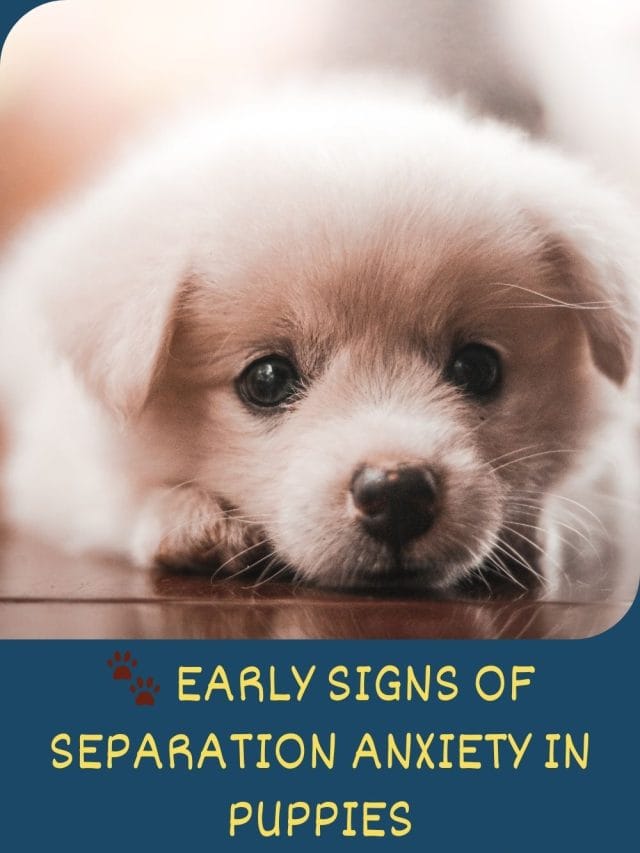

Research by the Royal Veterinary College (RVC), in collaboration with Dogs Trust, has identified key early-life factors that may increase the risk of puppies developing separation-related behaviours (SRBs).
The study, part of the Dogs Trust-funded Generation Pup project, analysed data from 145 UK and Irish puppy owners to explore environmental and training factors contributing to SRBs in dogs up to six months old.
SRBs – which include behaviours such as pacing, whining, scratching, barking, and inappropriate toileting – are associated with poor animal welfare and affect approximately 50% of dogs. This study looked into how early experiences may influence SRB development and offers strategies to potentially mitigate these behaviours.
Findings revealed that 46.9% of puppies in the study displayed SRBs by six months of age
Jane Murray, Deputy Head of Research (Generation Pup & Welfare Grants) at Dogs Trust, said, “Separation-related behaviour can have serious welfare implications for dogs and be very problematic for owners. Data from Dogs Trust’s Generation Pup study provides the ideal opportunity to increase our knowledge of factors that might increase the likelihood of these behaviours developing. Further work will enable us to work towards strategies and advice to reduce the likelihood of separation-related behaviours developing in dogs in the future.”
Findings revealed that 46.9% of puppies in the study displayed SRBs by six months of age. The most common behaviour reported when left alone was pacing (14.5%), followed by whining (7.6%) and spinning (6.9%). Key risk factors identified include the use of aversive training techniques, insufficient sleep, and certain owner responses to behaviour.
Puppies whose owners used aversive methods, such as scolding or smacking, were more likely to develop SRBs. Puppies with restricted overnight sleep in a crate or room and those who had nine or more hours of sleep at 16 weeks were less likely to develop these behaviours. Poor house training and the use of kibble or treats during training were linked to an increased likelihood of SRBs. Puppies whose owners fussed over them in response to unwanted behaviour after separation were six times more likely to display SRBs.

The study also found that puppies with younger owners (aged 16-34) were at greater risk of SRBs compared to those with older owners, while factors such as breed and sex showed no significant association.
Dr Charlotte Burn, Associate Professor in Animal Welfare and Behaviour Science at the RVC, said, “Dogs can become highly stressed when left alone, so any evidence suggesting how to help puppies learn to relax during separation is much needed. For me, the finding that stands out most is that punishing or ignoring puppies is associated with more separation-related behaviour when they are older.
“This ties in with other evidence showing that punishment seems to make dogs more anxious in general. Learning to use rewards and praise in consistent and thoughtful ways, might really help puppies to become calmer and more resilient to all sorts of challenges, including being left alone.”
This Post was originally published by Dogs Today from dogstodaymagazine.co.uk. Click here to read the original.

Gisele Suggest!
Wag-Worthy Fun: Toys to Keep Your Pup Entertained! — Explore Now! (Aff.link)