

You fill the bowl every morning, your pet eats it up, and you move on with your day. It feels like everything is fine. But here is something most pet owners do not stop to think about: eating and being nourished are not the same thing.
The right feed for animals does far more than satisfy hunger. It supports coat quality, energy levels, organ function, immune health, and even your pet’s mood. And if the feed in that bowl is missing key nutrients, your pet could be falling short every single day without you even noticing.
Why Daily Feed Quality Matters More Than You Think
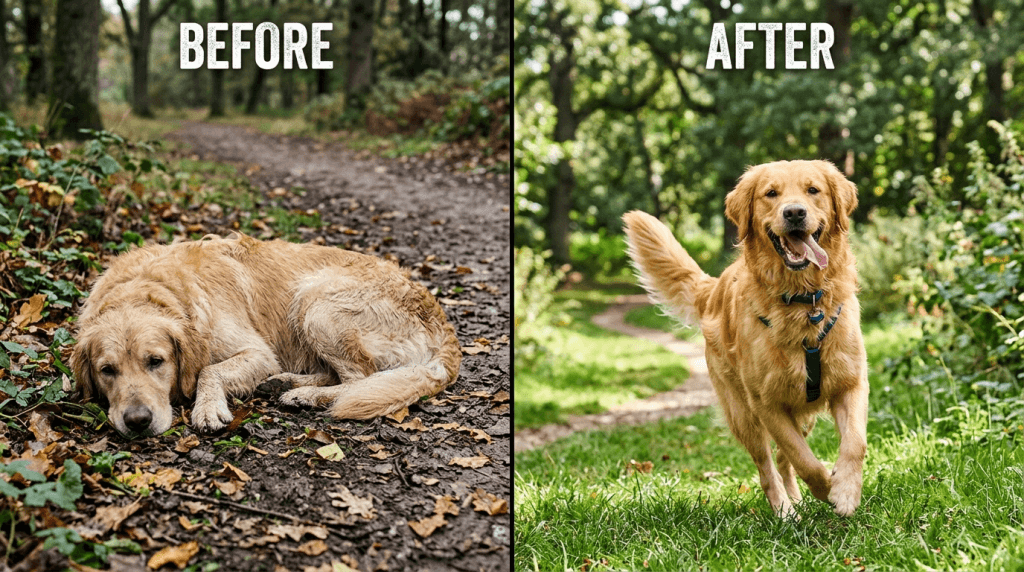
A lot of commercial pet feeds are designed to meet the minimum standards, not the optimal ones. That means your dog or cat could technically be eating a complete diet on paper while still not getting what they need to truly thrive.
Nutrition affects everything from how shiny your dog’s coat looks to how well your cat recovers after a vet visit. It shapes their energy, their digestion, their sleep, and even their behaviour. Getting it right is not complicated, but it does require paying a little more attention to what is actually in the bag.
According to veterinary nutrition research, an estimated 30–40% of pet health complaints seen in general practice including skin issues, low energy, and digestive problems have a nutritional component that can be improved through diet changes alone.
The Most Common Nutritional Gaps in Pet Diets
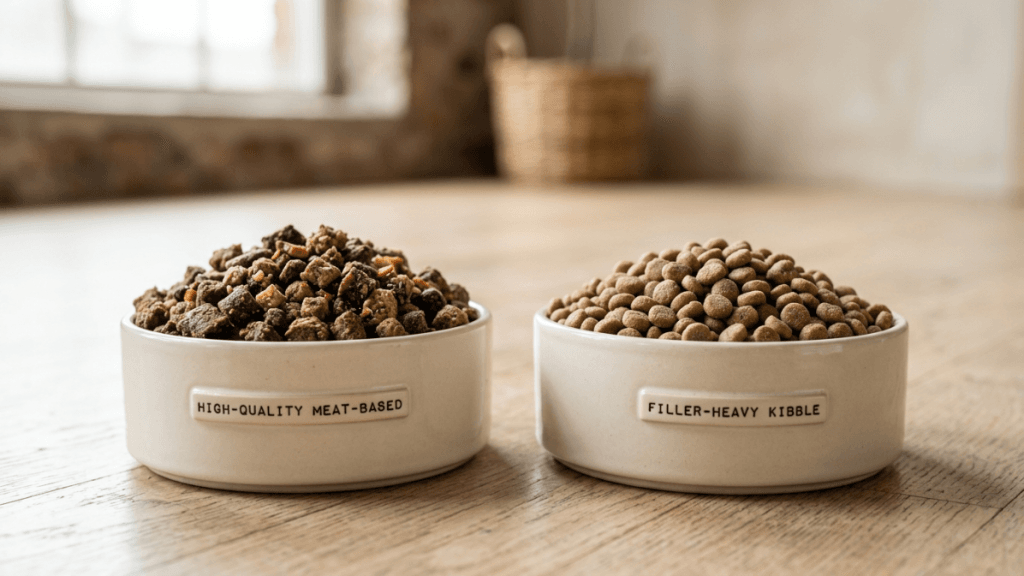
Most pet owners are surprised to learn that their beloved animals are not getting everything they need. Here are the nutrients that are most commonly missing or underprovided in everyday pet feeds:
- Omega-3 fatty acids essential for skin, coat, and joint health in both dogs and cats
- Taurine a critical amino acid for heart function, especially in cats
- Zinc and biotin support skin integrity and healthy fur growth
- Calcium and phosphorus vital for bone strength, especially in growing animals
- Vitamin E and selenium work together to support immune defence
These are not exotic supplements, they are foundational nutrients that a quality daily pet feed should already include in the right amounts.
Reading a Pet Feed Label the Right Way
Most people glance at the front of the bag and never look at the back. But the ingredient list and nutritional panel are where the real story lives. Here is what to look for:
- Named protein sources first chicken, salmon, or beef should appear before grains or fillers
- Crude protein percentage dogs generally need 18–26%, cats need 26–35% as obligate carnivores
- Fat content should be adequate but not excessive; 10–20% is a common healthy range
- No vague fillers terms like “meat by-products” or “animal digest” with no species named are a red flag
- AAFCO or equivalent statement confirms the feed meets recognised nutritional standards
Once you start reading labels, you will quickly be able to tell the difference between a feed that is genuinely nutritious and one that is simply well packaged.
Nutritional Needs by Pet Type: A Quick Reference
Every animal is different. Here is a helpful summary of basic daily nutritional priorities for common household and backyard pets:
| Pet Type | Protein Requirement | Key Nutrients Needed | Signs of Nutritional Gap |
| Dogs | 18–26% | Omega-3, taurine, zinc, iron | Dull coat, low energy, loose stools |
| Cats | 26–35% | Taurine, vitamin A, arachidonic acid | Weight loss, poor coat, vision issues |
| Rabbits | 12–16% | Fibre, vitamin C, calcium | Dental issues, gut problems |
| Guinea Pigs | 14–18% | Vitamin C, fibre, phosphorus | Lethargy, rough fur, poor appetite |
| Backyard Chickens | 16–20% | Lysine, calcium, vitamin D | Thin shells, feather pecking, slow growth |
| Fish | 28–36% | Protein, phosphorus, vitamin C | Colour fading, slow movement |
Use this as a starting point to always tailor nutrition to your specific breed, age, and health status.
How Age and Life Stage Change Everything
A puppy eating the same food as a senior dog is not getting what it needs. Life stage matters enormously when it comes to feed selection, and this is an area where many well-meaning pet owners get it wrong.
Growing animals need higher protein and calcium to support development. Adult pets need a balanced maintenance formula. Senior pets often benefit from lower calories, added joint support, and easier-to-digest ingredients. Feeding the wrong life stage formula consistently is like wearing the wrong prescription glasses; it just does not quite work, even if it seems close enough.
Senior dogs over the age of seven have a measurably reduced ability to absorb certain nutrients like protein and vitamin B12, meaning their daily feed needs to compensate with higher bioavailability, something standard adult formulas are not designed to provide.
Signs Your Pet May Not Be Getting Enough Nutrition
Your pet cannot tell you when something is off, but their body gives clear signals. Watch for these warning signs:
- Dull, dry, or flaky coat one of the earliest and most visible signs of nutritional shortage
- Low energy or excessive sleeping especially when it is a change from their normal behaviour
- Digestive issues frequent loose stools, gas, or irregular appetite
- Slow healing wounds or skin irritations that take longer than usual to recover
- Increased scratching often linked to omega deficiencies or skin-related nutritional gaps
- Gradual weight loss even when the pet appears to be eating normally
If you are seeing two or more of these signs together, the feed formula should be the very first thing you review before jumping to medications or supplements.
Simple Ways to Improve Your Pet’s Daily Nutrition Right Now
You do not need to spend a fortune or completely overhaul your routine. A few practical changes can make a meaningful difference:
- Switch to a life-stage-appropriate formula if you have not already
- Choose feeds with named, real protein sources as the first ingredient
- Rotate between two quality feeds occasionally to broaden the nutrient spectrum
- Add a small amount of fresh whole food like cooked egg, plain pumpkin, or fish where vet-approved
- Store dry feed in airtight containers away from heat and humidity to preserve nutrient quality
Final Thoughts
Feeding your pet every day is an act of love but it is only as meaningful as the nutrition behind it. The right feed does not just keep your pet alive; it keeps them active, happy, healthy, and full of life for years to come. Small choices made consistently at the food bowl add up to a very big difference over a lifetime.
If you are re-evaluating what goes into your pet’s bowl, Mid South Feeds is a name worth knowing. Based in Alma, Georgia, Mid South Feeds is a premium animal and livestock feed manufacturer offering science-backed, species-specific formulas for pets, livestock, poultry, and more. Their pet feed line is built on the same philosophy that drives everything they make: quality ingredients, balanced nutrition, and formulas that are genuinely designed for the animal eating them, not just to fill a bag on a shelf.
Because at the end of the day, your pet deserves more than just a full bowl. They deserve a nourished one.