

Keeping your dog healthy isn’t about dramatic changes or complicated routines. It’s about consistent habits that quietly support their body, mind, and happiness every single day. When done right, these habits don’t feel like work; they become second nature.
This guide breaks down seven essential habits that support long-term dog health, helping your pup thrive through every season.
1. Build a Consistent Daily Dog Care Routine
Dogs are big fans of consistent routines. Routines help the dog feel secure and relaxed by reducing stress, promoting better digestion, and supporting emotional well-being. When everything seems predictable, the dog gets relaxed and responds better to the structure around him.
1. Daily Activities That Benefit From Routine
If possible, try to stick to the same routine for eating, walking, play time, and sleep. This helps the dog know what comes next. This instills confidence in the dog. In addition to this, it prevents the dog from exhibiting behaviors such as barking and chewing due to anxiety.
2. How Small Habits Create Big Comfort
Small habits count, too. A morning cuddle and an evening walk ensure comfort and continuity. Such small habits of life ensure the dog feels safe and taken care of.
Once you have established a cycle, or routine, for your dog’s daily life, now is the time to turn your attention to their diet. What you put into your dog’s stomach is more important than many pet owners consider.
2. Prioritize a Nutritious, Healthy Dog Diet
A healthy diet lays the foundation for a long life. A good diet helps keep the dog energetic and powerful. Protein, good fats, vitamins, and minerals all work together to enhance the dog’s energy, immunity, and a beautiful coat.
Feeding Habits That Support Digestive Health
Prevent giving table scraps frequently or changing food quickly. These habits could disturb your dog’s stomach and eventually lead to problems. Always serve the correct portion. This is determined by the age, weight, and activity level of your dog. Puppies, senior dogs, and very active ones need different nutrition.
Reliable nutrition also starts with consistency in what you buy. Many owners prefer sticking with a trusted animal feed supplier to help ensure their dog’s food stays consistent in quality and ingredients.
Fresh and clean water should be the dog’s constant companion. Many pet owners forget to do this, but water plays a critical role in a dog’s health.
3. Maintain a Regular Dog Exercise Schedule
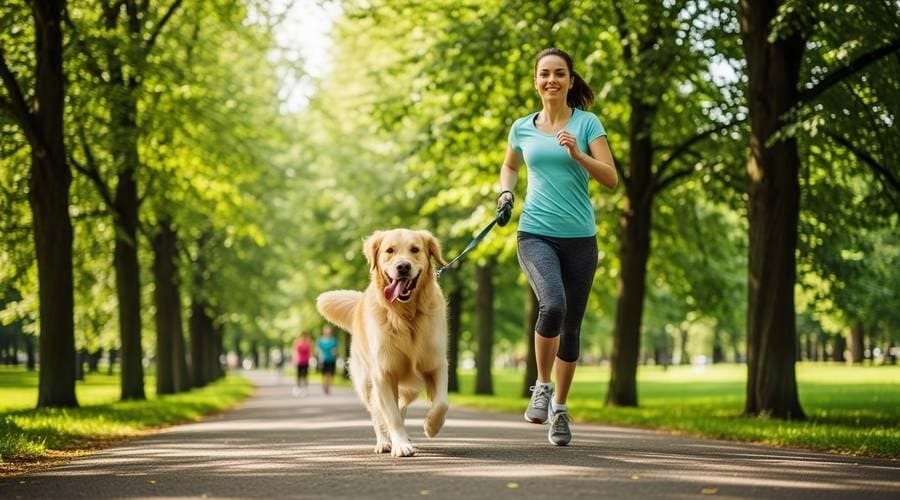
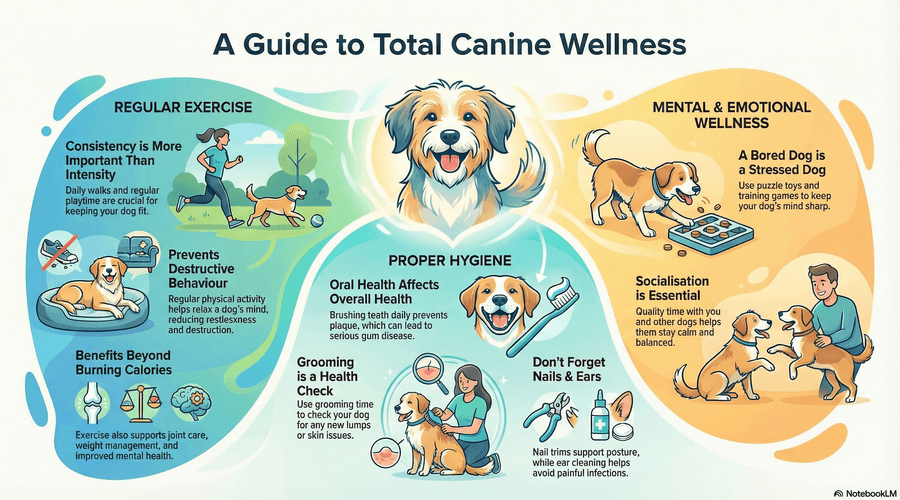
Regular exercise for your dog will keep your pet fit, healthy, and active. Exercise not only acts as a tool for burning off calories. It offers many additional benefits, including joint care, weight management, and improved mental health.
What are The Simple Ways to Keep Your Dog Active?
Taking daily walks, playing with the dog, and training it regularly count a lot. The idea here is not a complicated exercise. The idea here is consistency. Even a relaxed or a low-energy dog should get regular exercise in order to stay healthy and fit.
What Happens When Dogs Don’t Get Enough Exercise?
If dogs are not given routine exercise, issues may arise. They become restless or start acting destructively. As dogs exercise their physical bodies, their minds become relaxed as well.
As long as your dog remains active and energetic, it will require proper grooming. This care involves taking care of its hygiene.
4. Practice Proper Canine Hygiene Practices
Good oral hygiene practices help in preventing cavities and infections in a dog’s teeth and gums. Dental care is a practice that is often overlooked by pet owners. Plaque causes gum disease. It doesn’t affect the mouth only. It can affect the overall health of the dog.
Regular grooming and hygiene habits support your dog’s comfort and long-term health. Simple practices that should be part of routine care include:
- Brushing their teeth daily to remove plaque and help distribute saliva across the teeth
- Cutting nails to improve walking and prevent posture-related issues
- Cleaning ears regularly to avoid painful ear infections
Grooming time can also double as a quick health check. It may help you notice lumps, skin changes, or sensitive areas early.
5. Support Mental and Emotional Wellness

Physical care is not sufficient. There are many smart dog wellness tips that involve mental stimulation as an essential aspect that many dog owners tend to neglect. Activities such as puzzle toys and training games are significant in keeping your dog’s mind sharp.
How Social Interaction Helps Reduce Boredom?
Often, boredom brings on stress. Stress can result in health issues. Simple stimulation activities can halt this sequence before the problem escalates.
Socializing is important, but so is spending quality time with dog friends or alone with you. Dogs have emotions too. They recognize when they associate, which makes them calm and balanced.
6. Don’t Skip Preventive Vet Checkups
Regular visits to the veterinarian enable problems to be identified before they become more serious issues. Annual check-ups, vaccinations, pest control measures, and dental exams are critical to maintaining dog health.
The Role of Veterinary Care Teams
These regular vet checkups are more than just a routine; they rely on skilled support teams to ensure every visit is thorough, consistent, and complete.
Many animal care professionals in roles such as veterinary tech jobs or roles assist veterinarians with exams, monitoring, and follow-up care, ensuring pets receive consistent and reliable attention at every visit.
Preventive Care and Peace of Mind
Even with a healthy-looking pet, regular vet visits provide pet owners with peace of mind and help identify problems early. Preventing issues is always easier and less expensive than treating them later.
However, keeping your dog healthy isn’t just about routine checkups. Once medical needs are addressed, it’s essential to remember that care changes with the seasons. Just like humans, dogs have different needs in summer, winter, spring, and fall.
7. Adjust Care with the Seasons
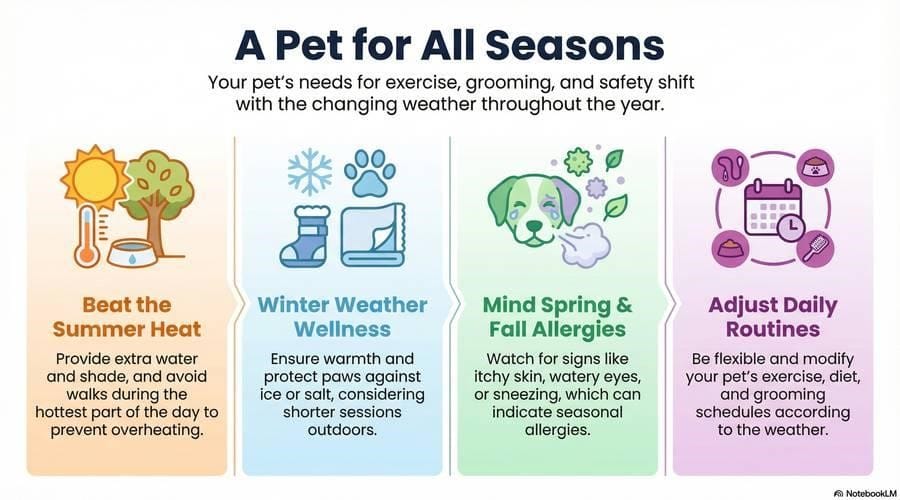
Taking care of a pet all year round requires one to consider the changes in the season and how these affect a pet’s requirements. In summer, providing additional water and shade, avoiding very long walks during the hottest part of the day to prevent overheating, and following other simple tips can go a long way toward maintaining your dog’s health.
1. Winter, Spring, and Fall Care Considerations
In winter, this means warmth, protection of paws against ice or salt, and possibly shorter sessions outdoors. Spring and Fall are usually associated with seasonal allergies, manifesting in itchy skin, watery eyes, or sneezing.
2. Adjusting Daily Routines With the Weather
Exercise routines, diets, and grooming schedules could also be modified according to weather changes. Longer coats during winter require more brushing, whereas summer requires lighter grooming and more frequent baths to keep your dog cool.
3. Professional Support for Seasonal Pet Care
These seasonal adjustments are easier with guidance from professionals who can support you remotely. Many now work through remote veterinary jobs, offering expertise to pet owners whenever it’s needed.
Final Thoughts
Healthier dogs require consistency and routine. They’re nurtured every day through habits, routines, and care. From feeding and exercise to mental stimulation and changes of seasons, every habit is a building block for the next one, and so forth.
By focusing on these seven essentials, you’re not just maintaining dog health; you’re improving your dog’s quality of life in ways they feel every day.
And honestly? A healthier pup means less worrying, more wagging, and loads more happiness for both you and your pup!


Gisele Suggest!
Upgrade Your Pup’s Gear with These Must-Haves! — Explore Now! (Aff.link)